In today’s fast-paced digital marketing environment, content teams and creative agencies must produce high-quality visuals consistently while meeting tight deadlines. Stock media has become an essential resource for maintaining efficiency without compromising visual standards. However, simply downloading images is not enough. A structured stock media workflow helps teams collaborate effectively, maintain brand consistency, and maximize productivity across campaigns.
Why a Stock Media Workflow Is Essential
Content creation involves multiple stakeholders, including designers, marketers, social media managers, and project leads. Without a clear workflow, teams may face duplicated work, inconsistent visuals, or delays in campaign production.
An organized stock media workflow streamlines the process of sourcing, approving, editing, and distributing visual assets. It ensures that every image supports the brand’s identity while allowing teams to work faster and more collaboratively. Businesses that rely on Cheap Stock Photos especially benefit from a defined system, as it allows them to maintain professional quality while managing costs efficiently.
Step 1: Define Brand Visual Guidelines
The foundation of an effective workflow begins with clear brand guidelines. Teams should document preferred visual styles, color tones, subject matter, and emotional themes. These guidelines help team members quickly determine whether a stock image aligns with brand identity.
Establishing approved visual categories prevents random image selection and reduces revision cycles. When everyone understands the visual direction, collaboration becomes smoother and more efficient.
Step 2: Centralize Stock Media Sourcing
A common challenge for agencies is scattered asset sourcing. Team members may download images from different platforms without tracking licenses or usage rights. Creating a centralized sourcing process solves this issue.
Designate approved stock media platforms and maintain shared access for the team. Using Cheap Stock Photos from trusted libraries ensures affordability while maintaining visual quality. Teams should also maintain records of licenses, downloads, and usage permissions to avoid legal complications.
Centralization saves time and ensures consistency across campaigns and clients.
Step 3: Implement an Approval and Selection Process
Before stock media enters production, images should pass through an approval stage. Creative leads or brand managers can review selected visuals to confirm alignment with brand standards.
This step prevents unsuitable imagery from reaching final designs and minimizes rework. Establishing clear approval roles also improves accountability within content teams and agencies.
Many organizations use shared folders or project management tools to streamline feedback and decision-making during this phase.
Step 4: Customize and Optimize Assets
Stock media should rarely be used without customization. Editing images to match brand colors, typography, and layout standards helps transform general visuals into unique branded assets.
Optimization is equally important. Images must be resized and formatted appropriately for websites, social media platforms, advertisements, and email campaigns. A standardized editing process ensures visuals remain consistent regardless of channel.
Teams should create reusable templates that integrate Cheap Stock Photos seamlessly into marketing designs, reducing production time for future campaigns.
Step 5: Organize Asset Management and Storage
Efficient asset management is critical for long-term workflow success. Agencies should store approved stock media in organized digital libraries categorized by campaign, theme, or client.
Clear file naming conventions and metadata tagging allow team members to locate assets quickly. This reduces repeated downloads and prevents unnecessary spending on duplicate images.
Regular audits of stored media help maintain relevance and ensure outdated visuals are replaced with updated content.
Conclusion
A well-structured stock media workflow empowers content teams and agencies to deliver consistent, high-quality marketing materials efficiently. By defining visual guidelines, centralizing sourcing, implementing approval systems, customizing assets, and maintaining organized storage, teams can streamline production and strengthen collaboration. Leveraging Cheap Stock Photos within an organized workflow enables agencies to balance creativity, efficiency, and budget management while producing impactful visual content that supports long-term brand success.
Ever caught yourself searching for that perfect image to complete your website or blog post? I’ve been there more times than I can count. Stock photos are ready-made images that creators can license for specific uses, saving time and resources on custom photography.
In today’s digital landscape, high-quality visuals aren’t just nice to have—they’re essential. Stock photos offer an affordable solution for businesses, bloggers, and marketers who need professional imagery without the hassle of photoshoots. From sleek corporate scenes to lifestyle shots and abstract backgrounds, these versatile resources can elevate any project’s visual appeal instantly.
What Are Stock Photos and Why Are They Important?
Stock photos are professionally captured images available for licensing through online platforms and agencies. These pre-made photographs cover countless subjects—from business professionals and nature landscapes to abstract concepts and everyday objects—all ready for immediate use in various projects.
I’ve found stock photos to be essential digital assets for content creators, marketers, and businesses for several key reasons:
Time efficiency – Instead of organizing photo shoots, photographers, models, and locations, you can download ready-to-use images in minutes.
Cost-effectiveness – Purchasing stock photos is significantly cheaper than commissioning custom photography, with options ranging from $1-30 per image or subscription plans offering hundreds of downloads monthly.
Professional quality – Stock photos are shot by skilled photographers using professional equipment, ensuring high-resolution, well-composed images.
Diverse selection – Stock libraries contain millions of images covering virtually every topic, concept, and style imaginable.
Legal protection – Licensed stock photos come with clear usage rights, protecting you from copyright infringement issues.
Stock photos serve as practical visual solutions for websites, blog posts, social media, advertisements, presentations, and print materials. They help communicate messages effectively, enhance brand identity, and create emotional connections with audiences through relevant imagery.
Types of Stock Photo Licenses Explained
Understanding stock photo licenses is crucial when using these images for your projects. Each license type comes with specific terms that determine how and where you can use the photos you purchase. Here’s a breakdown of the main license types you’ll encounter when browsing stock photo websites.
Royalty-Free Stock Photos
Royalty-free stock photos offer the most flexible and widely used licensing option in the market. With this license, you pay once and can use the image multiple times across different projects without additional fees. The term “royalty-free” doesn’t mean the photos are free but rather that you don’t pay royalties for each use after your initial purchase. Most major stock photo platforms like Shutterstock, Adobe Stock, and iStock primarily offer royalty-free licenses. These licenses typically include limitations on resale, redistribution, and maximum impression counts, so it’s important to read the specific terms provided by each platform.
Rights-Managed Stock Photos
Rights-managed stock photos provide more controlled usage based on specific parameters defined at purchase. With this license type, you’re buying permission to use the image for a particular purpose, timeframe, geographic location, and distribution channel. If you want to use the same image for a different purpose or extend your usage rights, you’ll need to purchase an additional license. Rights-managed licenses often offer exclusivity options, ensuring competitors can’t use the same image in similar contexts. This licensing model tends to be more expensive than royalty-free options but provides greater control over how and where the images appear.
Extended Licenses
Extended licenses build upon standard royalty-free licenses by permitting additional usage rights for stock photos. These licenses allow for commercial activities that standard licenses typically prohibit, such as creating merchandise for resale, using images in templates or products you sell to multiple customers, or including them in items with higher distribution volumes. For example, if you want to use a stock photo on t-shirts you’re selling, you’ll need an extended license. These licenses cost significantly more than standard royalty-free options but provide the legal protection necessary for commercial ventures. Popular extended license types include merchandise licenses, electronic resale licenses, and unlimited reproduction licenses.
Top Stock Photo Websites in 2023
The stock photo landscape continues to evolve with numerous platforms offering diverse collections for every project need. Here’s a curated list of the best stock photo websites in 2023, divided into premium and free options to suit different budgets and requirements.
Premium Stock Photo Platforms
Premium stock photo websites offer extensive libraries with high-quality, professionally captured images. Shutterstock leads the market with over 400 million images and adds approximately 200,000 new photos daily. Their subscription plans start at $29/month, making it ideal for businesses with regular content needs. Adobe Stock integrates seamlessly with Creative Cloud applications and offers 300+ million assets with plans starting at $29.99 monthly. Getty Images provides exclusive, editorial-quality stock photos used by major publications worldwide, though at higher price points starting from $150 per image.
iStock (formerly iStockphoto) offers a budget-friendly alternative with millions of exclusive images and subscription plans beginning at $29 monthly. Depositphotos features 230+ million files with affordable credit packages and subscriptions from $9.99/month. For unique artistic content, Stocksy stands out with its curated collection of authentic images, selling licenses from $15 per photo with higher royalties for contributing photographers.
Free Stock Photo Resources
Free stock photo websites provide cost-effective visual solutions without compromising quality. Unsplash leads with over 3 million high-resolution photos contributed by photographers worldwide, all available under a generous license allowing commercial use. Pexels offers both photos and videos with a user-friendly search function and themed collections for efficient browsing. Pixabay hosts over 2.6 million royalty-free images that don’t require attribution, though they appreciate credit to creators.
StockSnap.io adds hundreds of high-resolution images weekly, all under Creative Commons CC0 license. Burst by Shopify provides business-focused stock photos particularly useful for e-commerce stores. Kaboompics offers 20,000+ lifestyle and interior design images with an integrated color palette feature that helps match photos to brand colors. For specialized content, Foodiesfeed focuses exclusively on food photography with 1,500+ appetizing images perfect for culinary blogs and restaurant websites.
How to Choose the Perfect Stock Photo for Your Project
Selecting the right stock photo transforms your project from ordinary to exceptional. The perfect image communicates your message effectively while maintaining visual harmony with your brand’s aesthetic. Here’s how to make smart choices when searching through stock photo libraries.
Quality and Resolution Considerations
Quality and resolution are non-negotiable factors when selecting stock photos. High-resolution images (at least 300 DPI for print projects and 72 DPI for digital use) ensure your visuals remain crisp and professional across all platforms. When evaluating stock photos, I recommend:
Zooming in to check for graininess, pixelation, or blurriness that might not be apparent at thumbnail size
Examining lighting to ensure even exposure without harsh shadows or blown-out highlights
Checking sharpness in key areas, particularly for product or portrait stock photos
Considering scale to confirm the image has sufficient resolution for your intended use, especially for large-format applications
Reviewing technical specifications for aspect ratio compatibility with your project dimensions
Remember that scaling up low-resolution images leads to quality degradation, while high-quality stock photos maintain their integrity even when resized or cropped for different applications.
Authenticity and Relevance
Today’s audiences crave authenticity in visual content. Stock photos that feel genuine and relevant connect more effectively with viewers than generic or clichéd images. To select authentic and relevant stock photos:
Match your audience demographics by choosing images that represent your target market’s diversity and characteristics
Align with brand values by selecting visuals that reflect your organization’s core principles and messaging
Avoid obvious stock photo tropes like forced smiles, unrealistic workplace scenarios, or outdated visual styles
Consider cultural context to ensure imagery respects and represents diverse perspectives appropriately
Test emotional impact by gauging your immediate reaction to the image—does it evoke the intended feeling?
I’ve found that stock photos featuring real-life situations, natural expressions, and contemporary settings typically perform better than overly posed or artificial alternatives. When browsing stock photo websites, use specific search terms that describe not just the subject but also the mood and style you’re seeking to find truly relevant options.
Stock Photo Pricing: What to Expect
Stock photo pricing structures vary considerably across platforms, affecting your content creation budget. Understanding these pricing models helps you make cost-effective decisions while accessing the quality images your projects deserve.
Subscription Plans
Subscription plans offer the best value for regular stock photo users. These typically include:
Monthly downloads: Plans with 10-750 images per month, ranging from $29-$249
Annual subscriptions: Often discounted by 20-40% compared to monthly billing
Team accounts: Multi-user access with shared download limits at enterprise rates
Most major platforms like Shutterstock and Adobe Stock provide tiered subscription options. I’ve found that a medium-tier plan (around 50 images monthly) satisfies most small business needs while keeping costs predictable.
Pay-Per-Download Options
Pay-per-download pricing works best for infrequent users or those needing specific premium images. Common structures include:
Credit packs: Purchase credits in bulk (10-100) and spend them on individual images
Image packs: Buy a set number of downloads (usually 5-25) valid for 1-12 months
Single image purchases: Premium images priced individually, typically $7-$500 based on size and exclusivity
Getty Images and iStock frequently use credit-based systems where high-quality or exclusive images require more credits per download.
Free Stock Photo Economics
Free stock photo sites operate through various funding models:
Sponsored content: Featured images from paying photographers appear in search results
Freemium model: Basic images are free while premium collections require payment
Advertising revenue: Display ads throughout the platform support free downloads
Sites like Unsplash and Pexels maintain quality despite their free model, though their selection can be more limited in specialized niches compared to paid services.
Factors Affecting Stock Photo Pricing
Several factors influence the cost of individual stock photos:
Exclusivity: Images with limited licensing cost more than widely available ones
Usage rights: Commercial usage, especially for merchandise or resale, increases costs
Image complexity: Elaborate setups with models, props, and unique locations demand higher prices
Photographer reputation: Work from renowned photographers carries price premiums
Understanding these factors helps you determine whether a $0.26 subscription image or a $250 premium photo makes more sense for your specific project requirements.
Common Stock Photo Mistakes to Avoid
Using Overly Generic Images
Generic stock photos lack the authenticity modern audiences crave. These clichéd images—handshakes between suited professionals, overly enthusiastic office workers, or perfectly posed families—appear artificial and dated. I’ve found that generic visuals fail to create meaningful connections with viewers and can actually damage brand credibility. Instead, search for stock photos that reflect real-life scenarios and genuine emotions that align with your specific content needs.
Ignoring Licensing Terms
Misunderstanding or disregarding stock photo licensing terms creates serious legal risks. Each purchased image comes with specific usage permissions—whether for websites, print materials, or commercial products. I’ve seen many content creators face copyright infringement claims after using stock photos beyond their licensed scope. Always document which license applies to each stock photo in your collection and track usage to ensure compliance with terms regarding territorial restrictions, timeframes, and modification rights.
Selecting Poor Quality Images
Low-resolution stock photos compromise visual appeal and professional credibility. Pixelated, blurry, or poorly lit images create immediate negative impressions, particularly when displayed on high-resolution screens. Quality issues become especially problematic when images require cropping or enlargement for specific layouts. Before downloading any stock photo, examine it at full size to check for technical flaws, lighting inconsistencies, and composition problems that might not be apparent in thumbnails.
Failing to Consider Context
Stock photos disconnected from your content create jarring experiences for viewers. Images that don’t align with your messaging, target audience, or cultural context create cognitive dissonance and diminish your content’s effectiveness. I’ve observed many instances where businesses select visually appealing stock photos without considering whether they actually reinforce their message. Evaluate each potential stock photo by asking: “Does this image authentically represent my brand, content theme, and audience demographics?”
Overusing the Same Images
Repeatedly using identical stock photos across multiple pieces of content damages brand differentiation. This practice appears especially unprofessional when competitors utilize the same images. Popular stock photos often become visual clichés through overuse, making content instantly forgettable. Create a diverse image library by exploring multiple stock photo sources, varying your search terms, and considering less-used alternatives like illustrations or authentic lifestyle photography to maintain visual freshness.
Tips for Using Stock Photos Effectively
Choose Images That Align With Your Brand
Stock photos connect most effectively when they align with your brand identity. I select images that reflect my brand’s color palette, style, and overall aesthetic to maintain consistency across all platforms. When using stock photos for business purposes, I ensure the selected images match the tone and values my brand represents. For example, a wellness company might choose serene, natural imagery while a tech startup might prefer sleek, modern visuals with digital elements.
Edit and Customize to Make Them Unique
Raw stock photos often need personalization to stand out. I regularly edit my selected stock images by adjusting colors, cropping to better fit my layout, or adding text overlays that reinforce my message. Simple editing techniques transform generic stock photos into custom-looking visuals that appear created specifically for my content. Photo editing tools like Canva, Adobe Photoshop, or even free alternatives like GIMP offer powerful customization options.
Combine Multiple Stock Photos
Creating composite images from multiple stock photos produces truly unique visuals. I combine complementary stock photos to create custom scenes that perfectly illustrate my content’s message. This approach works particularly well for conceptual topics that can’t be represented by a single image. For instance, combining a landscape photo with a product image and relevant graphic elements creates a distinctive visual that competitors can’t easily replicate.
Use Stock Photos as Background Elements
Stock photos serve excellently as subtle background elements in designs. I frequently use stock imagery as website headers, newsletter backgrounds, or social media templates. In these applications, the stock photo provides texture and context without becoming the focal point of the design. Applying overlay effects or reducing opacity helps text remain readable while still benefiting from the visual appeal of the background image.
Test Different Images for Performance
Different stock photos can dramatically impact engagement metrics. I regularly A/B test various stock images on my website and social media posts to identify which visuals resonate most with my audience. After collecting performance data, I refine my stock photo selection strategy based on concrete results rather than assumptions. Metrics worth tracking include click-through rates, time on page, conversion rates, and social media engagement.
The Future of Stock Photography
AI-Generated Stock Photos
AI-generated stock photos represent a revolutionary shift in the industry. These images are created using advanced algorithms and machine learning technologies rather than traditional photography. Tools like DALL-E, Midjourney, and Stable Diffusion now produce hyper-realistic images from text prompts in seconds. This technology offers unprecedented customization options, allowing users to generate exactly what they need without searching through thousands of photos. I’ve noticed that AI-generated stock photos particularly excel at creating diverse representations and niche scenarios that traditional stock libraries often lack.
Evolving Licensing Models
Stock photo licensing is undergoing significant transformation to address contemporary content creation needs. Subscription-based models continue to gain popularity, with platforms offering unlimited downloads for a fixed monthly fee. Simultaneously, there’s a growing trend toward simplified licensing terms that eliminate complex restrictions. Many platforms now provide perpetual licenses that don’t expire after a certain period. I’m particularly impressed by the emergence of blockchain-based licensing systems that use smart contracts to automate royalty payments and track usage, ensuring photographers receive fair compensation while simplifying the process for users.
Authentic Representation Trends
The demand for authentic representation in stock photography continues to reshape the industry. Modern stock photos increasingly feature diverse body types, ages, ethnicities, abilities, and gender expressions. Content creators now prioritize images showing real people in genuine situations over posed, highly stylized shots. Stock photo libraries have responded by expanding their collections to include more inclusive imagery and representing underrepresented communities. This shift toward authenticity connects directly with audiences who expect brands to reflect real-world diversity. I’ve found that using these more authentic stock photos significantly improves audience engagement and brand perception.
Integration With Content Creation Platforms
Stock photography is becoming seamlessly integrated with content creation tools. Major design platforms, content management systems, and social media schedulers now offer direct access to stock photo libraries without leaving their interfaces. This integration streamlines workflows for content creators and marketers. Adobe’s Creative Cloud exemplifies this trend with its native connection to Adobe Stock, allowing users to search, license, and edit stock photos without switching applications. I expect this integration trend to accelerate, with AI tools automatically suggesting relevant stock photos based on the content being created.
Conclusion
Stock photos have evolved from simple placeholders to powerful visual assets that can make or break your content strategy. When used strategically with proper licensing and thoughtful selection they become invaluable tools for enhancing your brand’s visual storytelling.
I’ve seen firsthand how the right stock image can dramatically boost engagement and convey complex messages instantly. The key lies in authenticity balancing quality with relevance and avoiding the common pitfalls that make content look generic.
As we look toward AI-generated options and more diverse representation the future of stock photography offers exciting possibilities for content creators. By implementing the selection tips editing techniques and testing methods I’ve shared you’ll transform ordinary stock photos into extraordinary visual elements that truly elevate your brand.
The Art Deco movement stands as one of the most influential design periods in modern history, emerging from France in the early 1920s and reaching its pinnacle at the 1925 Exposition des Arts Décoratifs in Paris. This revolutionary style transformed the landscape of visual arts, architecture, and decorative design through its distinctive blend of geometric forms and luxurious materials.
We’ve witnessed the enduring impact of Art Deco across multiple disciplines, from striking architectural masterpieces to elegant furniture designs. The movement flourished during the interwar period (1925-1940), reflecting an era of prosperity and modernization through its streamlined aesthetics and emphasis on craftsmanship. It’s fascinating how this style managed to combine modern sensibilities with decorative elements, creating a unique visual language that continues to captivate designers and art enthusiasts today.
Origins and Evolution of Art Deco
Art Deco emerged as a revolutionary design movement in the 1920s, marking a departure from the ornate styles of Art Nouveau and Victorian eras. The movement synthesized modern aesthetics with luxurious craftsmanship to create a distinct visual language that defined an era.
Key Influences and Inspirations
Art Deco drew inspiration from multiple artistic movements of the early 20th century:
Adopted geometric abstraction from Cubism
Incorporated bold color palettes from Fauvism
Integrated streamlined forms from Vienna Secession
Embraced industrial materials from Constructivism
Combined machine-age precision with handcrafted elegance
The 1925 Paris Exhibition
The International Exhibition of Modern Decorative and Industrial Arts in Paris served as the defining moment for Art Deco. Here are the key statistics and features:
Exhibition Details
Numbers
Exhibitors
15,000
Participating Countries
20
Total Visitors
16 million
Duration
7 months
The exhibition established specific guidelines:
Showcased only modern design innovations
Prohibited historical revival styles
Featured works across architecture, furniture, decorative arts
Displayed industrial design achievements
Positioned Paris as the global center of modern design
The exhibition space stretched from Les Invalides to the Grand Palais, transforming both banks of the Seine into a showcase of modern design innovation.
Defining Characteristics of Art Deco
Art Deco design showcases distinctive visual elements that emphasize modernity through geometric precision paired with lavish ornamentation. These characteristics create the unmistakable bold aesthetic that defines this influential movement.
Geometric Patterns and Shapes
Art Deco’s geometric foundation features zigzag patterns sunburst motifs stepped forms triangular shapes. The style incorporates:
Symmetrical arrangements with repeated angular patterns
Chevron designs across facades walls furniture
Streamlined curves combined with straight lines
Stepped forms in building exteriors lighting fixtures
Radiating sunburst patterns in metalwork decorative elements
Materials and Color Palettes
The movement embraces luxurious materials rich color combinations to create visual impact:
Chrome steel glass marble in architectural elements
Exotic woods like ebony rosewood in furniture pieces
Mirrors crystal chrome in decorative objects
Bold color combinations:
Black gold
Deep blues silver
Rich burgundy cream
Emerald black
Decorative Elements
Art Deco ornamentation merges ancient motifs with modern industrial aesthetics:
Stylized floral patterns in metalwork textiles
Egyptian Greek African-inspired designs
Machine-age imagery:
Lightning bolts
Speed lines
Frozen fountains
Bas-relief sculptures on building facades
Elaborate ironwork in gates railings light fixtures
Each section incorporates small contextual vectors related to “what is the art deco design movement” by highlighting the specific visual language materials patterns that characterize this distinctive style.
Art Deco Across Different Mediums
Art Deco’s influence spans multiple creative disciplines, transforming the visual landscape of the 1920s and 1930s through its distinctive geometric patterns and luxurious materials.
Architecture and Buildings
Art Deco architecture features symmetrical compositions with bold vertical lines and stepped forms. Notable characteristics include:
Ziggurat-style setbacks on tall buildings
Decorative elements in chrome, brass or bronze
Geometric patterns on facades using chevrons, sunbursts or zigzags
Stylized relief sculptures above entrances or windows
Flat roofs with parapets and spires
Materials like smooth-faced stone, steel and glass
Furniture and Interior Design
Interior spaces during the Art Deco period emphasized glamour through:
Streamlined furniture with high-gloss finishes
Exotic wood veneers like rosewood, ebony and zebrawood
Chrome-plated metal accents and hardware
Geometric upholstery patterns in bold colors
Mirrored surfaces and glass panel details
Built-in lighting fixtures with frosted glass shades
Stepped forms in cabinets and shelving units
Bold typography with geometric letterforms
Simplified illustrations using flat colors
Symmetrical compositions with radiating patterns
Metallic inks and color combinations
Stepped frames and borders
Stylized natural motifs like flowers and animals
Contrasting shapes creating dynamic layouts
Material Usage in Art Deco
Application
Chrome & Glass
Building facades, furniture trim
Exotic Woods
Wall panels, furniture surfaces
Stone & Marble
Architectural details, flooring
Mirrors & Metals
Interior accents, light fixtures
Global Impact and Significance
Art Deco design movement transcended national boundaries to become a global cultural phenomenon between 1925-1940. Its influence spread from Paris across Europe to the United States, leaving an indelible mark on architecture, design, and visual arts worldwide.
Art Deco Around the World
The Art Deco design movement flourished in diverse architectural landscapes across continents. In New York, the Empire State Building and Chrysler Building exemplify the movement’s vertical emphasis and geometric ornamentation. Miami Beach features 800+ Art Deco structures with pastel colors and tropical motifs. European cities like London and Barcelona integrated Art Deco elements into commercial buildings, theaters, and public spaces. In Mumbai, India, 35 Art Deco buildings line Marine Drive, creating the world’s second-largest collection of Art Deco architecture.
Region
Notable Art Deco Features
United States
Skyscrapers, chrome details, stepped forms
Europe
Theater facades, department stores, metro stations
South America
Cinema houses, government buildings
Asia
Colonial architecture, hybrid styles
Cultural and Social Context
Art Deco emerged during a period of significant social transformation and economic prosperity. The movement reflected society’s embrace of mechanization and industrial progress through streamlined forms and modern materials. In urban centers, Art Deco buildings symbolized corporate power and technological advancement. Department stores adopted Art Deco aesthetics to showcase luxury goods, while movie palaces used the style to create glamorous entertainment spaces.
Social Aspects
Cultural Impact
Urban Growth
150+ Art Deco districts worldwide
Industrial Progress
75% increase in luxury goods production
Entertainment
2,000+ Art Deco theaters built globally
Transportation
500+ Art Deco railway stations
Legacy and Modern Interpretations
Art Deco’s influence continues to shape contemporary design through its distinctive blend of luxury aesthetics geometric patterns. The movement’s enduring appeal stems from its ability to adapt traditional design elements into modern contexts.
Neo Art Deco Movement
The Neo Art Deco movement emerged in the 1960s marking a significant revival of Art Deco design principles. This resurgence incorporated bold geometric patterns metallic finishes mixed with contemporary materials. The revival manifested in architectural projects interior design schemes graphic arts elements with 3 distinct phases:
1960s Pop Art integration featuring chrome accents mirrored surfaces
1990s corporate architecture combining stepped forms zigzag patterns
Digital Design: Integration of Art Deco patterns in website interfaces mobile applications
Interior Design: Incorporation of stepped forms chrome fixtures luxe materials
Fashion: Revival of geometric patterns streamlined silhouettes metallic embellishments
Architecture: New buildings featuring signature stepped facades decorative elements
Art Deco Revival Periods
Key Features
Notable Applications
1960s Revival
Chrome Geometric Forms
Commercial Architecture
1980s Renaissance
Pastel Colors Bold Patterns
Graphic Design
Contemporary Era
Digital Patterns Mixed Media
Multi-disciplinary Design
Conclusion
Art Deco stands as one of the most influential design movements that shaped our modern visual landscape. We’ve seen how this remarkable style transformed architecture interior design and visual arts through its perfect balance of luxury and functionality.
Today we continue to witness Art Deco’s enduring influence in contemporary design. Its timeless appeal lies in the movement’s ability to merge geometric precision with opulent aesthetics a combination that resonates just as strongly now as it did in the 1920s.
The principles and visual language of Art Deco remind us that great design transcends time. As we look to the future we can see this iconic movement’s DNA in everything from digital interfaces to contemporary architecture proving that true innovation never goes out of style.
Shutterstock is a global technology company that has been providing the creative community with high quality royalty-free images and innovative tools to power the creative process. It has even expanded its portfolio to offer a more diversified collection, so you will surely find everything you need for your creative projects. With subscriptions and images on demand for every budget, all you have to worry about is downloading.
The stock photo website has partnered with Stock Photo Secrets to provide new and exclusive Shutterstock coupons 2026. The promo gives you 15% off on all image subscriptions and 10% on all footage subscriptions. We recommend choosing the yearly subscription to get the best value for your money. More importantly, make sure you copy the code before you click “Redeem Here”.
Plans and Pricing
Shutterstock offers amazing royalty-free images at simple pricing. You can sign up a free count to access the stock site’s vast collection of over 70 million stock images and create/share unlimited lightboxes.
The Basic subscription includes 5 images or 25 images that must be downloaded within one year of purchase. It includes a Standard license and is the perfect solution for occasional creative needs.
The Professional subscription gives you access to the entire Shutterstock collection and has no daily download limits. You can choose between a monthly and annual plan, which both include a Standard license. With 350 or 750 monthly or annual download limits, it is the perfect solution for large amounts of image needs.
The Team subscription is perfect if you are working with a small number of people. It includes 750 images per month with prices varying on the number of users. It also includes a Standard license which allows you to use the images in any project for as long as you like.
Why Choose Shutterstock?
Shutterstock has a vast collection of over 70 million high quality royalty-free images, with 50,000 more added everyday. It also features innovative tools that help you find what need easily and fast. It accepts all payment types, and has a subscriptions and images on demand for every budget. Standard and Enhanced licenses are available, which offer many advantages over other stock photo websites. Furthermore, it offers Shutterstock coupon codes to give you further discounts.
Are you looking for a stock photo website that offers high quality images at great prices? Well, you found it! Shutterstock does not only have a vast library of premium stock images and flexible rates, but coupon codes as well. What are you waiting for? Subscribe to a plan and get the new and exclusive Shutterestock coupons 2026 from stockphotosecrets.com.
Rights managed license is one of the most commonly used licensing models in the stock photo industry. It is very different from royalty-free in terms of usage and pricing. It provides specific, per-use rights to use an image and is also time and geographically limited. Oftentimes, it provides exclusive rights during the licensed period. So if you want to extend the use of the image at a different time and location or use it in a different way, you need to acquire a new license.
The price for rights managed license depends on the specified use. Sometimes, it can be affordable. Other times, it can be very expensive. Due to its more detailed buying process and specific rights, this type of license tend to be less widely used. For the same reason, it also does not have a lot of duplicates in use. This means you do not have to worry about visiting a website – especially your competitor’s – and finding the same image.
To purchase a rights managed image, you need to specify details such as:
Image size and resolution Typically, the larger the size and the higher the resolution mean the pricier the image. It is important to specify them to make sure you are getting the right image for your creative project. You do not want to spend money on an image you cannot use because it does not suit your creative needs.
Geographical area where the photo will be distributed Rights managed license can be used on a specified location. You need to determine where you want it to be distributed so you won’t break any restrictions. For instance, if you specified that the image will be used in North America, you cannot use it anywhere else. If you want to, you should get another license for an additional fee.
Medium in which the photo will be distributed Where will the image appear? If you will be using the image on print, you need to specify that too. You cannot use images licensed for web purposes only on brochures, fliers and other print materials. If you do, you will be in serious trouble.
Length of time it will be used Rights managed license allows an image to be used on a certain length of time. You need to specify the duration of your use as it also has an impact on the cost of the image. If you get the license to use the image in a year, only use the image within that time to avoid legal issues.
Other details you should specify when purchasing a rights managed image include volume of copies, purpose of the image, and exclusivity rights. You also need to clarify if you intend to use the image for commercial purposes. In this case, the image will have to include model and property releases, and other appropriate documents.
While royalty-free stock offers great value, there are a number of reasons why you should choose rights managed photos instead. This type of photo license holds its respective place in the field. Surely, there is no right or wrong when choosing between royalty-free and rights managed, but the latter provide a higher level of protection that you cannot have with the former. Here are 5 main reasons why you should choose the RM photos:
Higher Quality. Rights managed photos usually have higher quality than its royalty-free counterparts. Why? It’s because photographers tend to sell their works under RM so they can have control over how their photos are being used. Moreover, the topics and shots are not common and easy with this type of photo license.
Reduces Imitation. Imitation is a fact of life, especially with industry leaders. Advertisers, editors and designers all follow style and trend closely. Trendy and current styles get a lot of play, putting them at higher risk for overexposure. When it comes to stock photos, buyers in similar fields can search for similar keywords that will lead them to the same search results. This can lead to overall exposure of a specific image, most especially the best ones as they will be naturally selected more often.
Exclusivity. Purchasing the exclusive rights of stock photos may cost more, but you can justify the higher price by reducing the risk of a similar image being used by your competitors. With an exclusive license, you can gain assurance against duplication as the rights managed photos can only be used by the buyer.
Protection. RM photos protect you. Since the contributor is aware of your intended use for the image, he or she can make you aware of any likely conflicts in the use of his or her photo. You can bypass the brand confusion by making use of this type of photo license.
Reuse of the Same Image. Once you purchase RM image, you will be guided on how, where and when you can use the image. You can be assured that no one will cash in by using the same image. Unlike its royalty-free counterpart, there are certain limitations on the number of times the image can be used.
There are many other reasons why you should choose rights managed photos over royalty-free. They have wider range of topics. They are sold by top photographers. They weed out inferior images. They are cheaper than commissioned work. And, they are not always expensive. It is no wonder that rights managed continues to be the number one choice for professionals. Royalty-free generally appeals to small players, but RM offers a number of good advantages that should not be overlooked.
The Dollar Photo Club closing is upsetting many creative professionals around the world. May the expired members have a seamless transition to Adobe Stock and may they find a worthy alternative to their beloved stock photo website.
Are you one of the holders of a Dollar Photo Club account? If you are, you should have decided between migrating to Adobe Stock and finding a better alternative by now. If you have not found your next primary stock site yet, check out 99 Club. It is the best alternative to Dollar Photo Club if you want affordable images and the same experience, but double the number of royalty-free images in any size for the same cost. Here are some of its features that make it worthy of your time and money:
99 Club allows you to download stock images in any size for the same cost. You can choose among small, medium and XXL, whichever fits your creative needs and budget.
All image downloads come with a royalty-free license. You can use the image in any project for as long as you like. They do not expire, too. You can use them forever.
It involves one-time payment with no auto-renew features. You do not have to worry about license fees along the road. The stock photo site will not automatically renew your membership after one year as well.
It is here to stay. Unlike the Dollar Photo Club, 99 Club will be around for ten years or so. You do not have to worry about it closing anytime soon.
It has a continually growing collection. Currently, it already has over 4 million royalty-free images in its library. 60,000 to 80,000 more images are added every month.
It is simple to use and search friendly. You do not have to worry about navigating the website. It also has simple and easy to understand terms and conditions.
It has one of the lowest price per image. The 99 Club membership is $99 per year. It allows you to download 200 images of any size. If you need more, you can always purchase additional images for 99 cents each.
There are no download limits. You can download images over a month or all in one day if you want.
You can use the images commercially. All model and property releases have been signed. All you need to do is download.
These features make 99 Club a good Dollar Photo Club alternative. It gives you more for you money without the troubles of migrating to Adobe Stock. Owned by Stock Photo Secrets, you do not have to worry about your membership expiring anytime soon. Stock Photo Secrets have been around the business for over ten years and has no plans of closing out their websites. 99 Club has only limited slots for members, so join today.

 David
David 







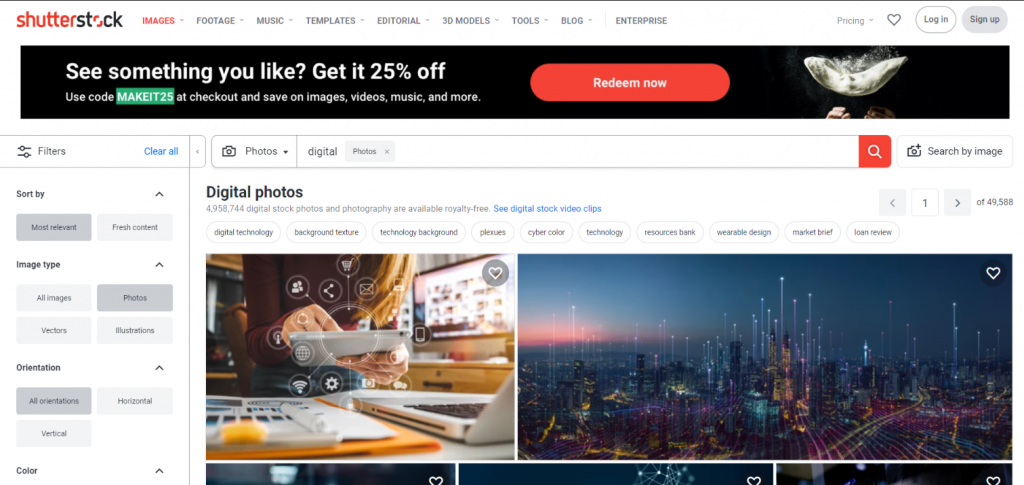
 Shutterstock is a global technology company that has been providing the creative community with high quality royalty-free images and innovative tools to power the creative process. It has even expanded its portfolio to offer a more diversified collection, so you will surely find everything you need for your creative projects. With subscriptions and images on demand for every budget, all you have to worry about is downloading.
 Rights managed license is one of the most commonly used licensing models in the stock photo industry. It is very different from royalty-free in terms of usage and pricing. It provides specific, per-use rights to use an image and is also time and geographically limited. Oftentimes, it provides exclusive rights during the licensed period. So if you want to extend the use of the image at a different time and location or use it in a different way, you need to acquire a new license.
 The Dollar Photo Club closing is upsetting many creative professionals around the world. May the expired members have a seamless transition to Adobe Stock and may they find a worthy alternative to their beloved stock photo website.